

Can bamboo plates be used for seafood?
Nov 26, 2025
Leave a message
As a dedicated bamboo plate supplier, I often encounter inquiries from customers about the compatibility of our products with different types of food. One question that has come up more frequently lately is whether bamboo plates can be used for seafood. In this blog post, I'll delve into this topic, exploring the scientific aspects, practical considerations, and benefits of using bamboo plates for serving seafood.
The Science Behind Bamboo Plates and Seafood
Bamboo is a natural and renewable resource known for its strength, durability, and eco - friendliness. When it comes to using bamboo plates for seafood, the key factors to consider are the material's resistance to moisture, odor absorption, and chemical stability.
Moisture Resistance
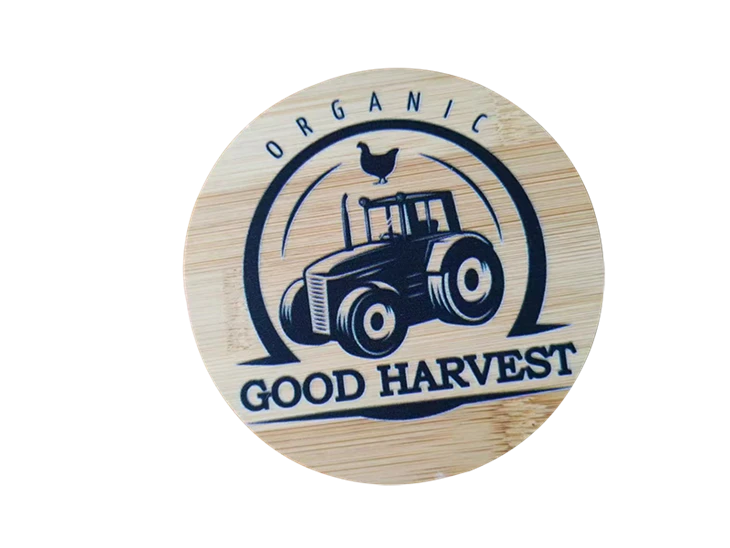
Seafood is typically moist, and a plate needs to withstand this moisture without warping or falling apart. Bamboo has a relatively high natural resistance to moisture compared to some other natural materials. However, it is not completely waterproof. High - quality bamboo plates are often treated with natural oils or finishes that enhance their moisture resistance. These treatments create a protective barrier on the surface of the plate, preventing water from seeping in and causing damage. For instance, some of our Round Bamboo Plates with UV Printing are finished with a food - safe, water - resistant coating that makes them suitable for serving moist seafood.
Odor Absorption
Another concern when using plates for seafood is odor absorption. Seafood can have a strong and distinct smell, and you don't want your plates to retain that odor after use. Bamboo has a low odor - absorption rate. Its natural structure does not easily trap or hold onto strong scents. This means that after you've served seafood on a bamboo plate, you can wash it thoroughly, and it will not carry the seafood odor, allowing you to use it for other types of food later.
Chemical Stability
Seafood can sometimes be acidic, especially if it's served with acidic sauces like lemon juice or vinegar. Bamboo is chemically stable and does not react with mild acids commonly found in seafood dishes. This stability ensures that the plate does not leach any harmful substances into the food, making it a safe option for serving seafood.
Practical Considerations
Hygiene
Maintaining good hygiene is crucial when serving seafood. Bamboo plates are easy to clean. You can wash them with mild dish soap and warm water. They are also dishwasher - safe in most cases, although it's recommended to check the product specifications first. After washing, bamboo plates dry relatively quickly, which helps prevent the growth of bacteria and mold.
Aesthetics
Bamboo plates add a natural and rustic charm to any seafood presentation. Their warm color and unique grain patterns create an inviting and elegant look. Whether you're serving a simple shrimp cocktail or a gourmet lobster dish, bamboo plates can enhance the visual appeal of the food, making the dining experience more enjoyable for your guests.
Portability
If you're planning a seafood picnic or a beach party, bamboo plates are an excellent choice. They are lightweight and sturdy, making them easy to transport. You don't have to worry about them breaking like ceramic or glass plates, and they can withstand the rigors of outdoor use.
Benefits of Using Bamboo Plates for Seafood
Environmental Friendliness
In today's world, environmental concerns are at the forefront of many consumers' minds. Bamboo is a highly sustainable material. It grows rapidly, reaching maturity in just a few years compared to trees used for traditional wood products. Using bamboo plates for seafood reduces the demand for non - renewable resources and helps minimize the environmental impact of food service.
Cost - Effectiveness
Bamboo plates are generally more affordable than plates made from other materials such as porcelain or silver. This makes them a cost - effective option for restaurants, cafes, and home users. You can purchase a large quantity of bamboo plates without breaking the bank, and still provide a high - quality dining experience for your customers or guests.

Versatility
Bamboo plates are not only suitable for seafood but can also be used to serve a wide variety of other foods. They can be used for appetizers, main courses, and desserts. This versatility makes them a valuable addition to any kitchen or food service establishment.
Addressing Common Concerns
Some people may be worried about the potential for splinters or rough edges on bamboo plates. However, modern manufacturing processes ensure that bamboo plates are smooth and free of splinters. Our production facilities use advanced techniques to sand and finish the plates, providing a safe and comfortable dining experience.
Another concern is the long - term durability of bamboo plates. While bamboo is a strong material, like any product, its lifespan depends on how it is used and maintained. With proper care, bamboo plates can last for a long time. Avoid exposing them to extreme heat or direct sunlight for extended periods, and they will retain their quality and appearance.
Conclusion
In conclusion, bamboo plates are an excellent choice for serving seafood. They offer a combination of scientific advantages, practical benefits, and environmental friendliness. Whether you're a restaurant owner looking to enhance your seafood presentation, a caterer in need of portable and cost - effective plates, or a home cook wanting to add a touch of nature to your seafood dinners, bamboo plates are a great option.
If you're interested in purchasing high - quality bamboo plates for your seafood service needs, I encourage you to reach out to us. We offer a wide range of bamboo plate products, including our Round Bamboo Plates with UV Printing. Our team is ready to assist you with your inquiries and help you find the perfect plates for your specific requirements. Contact us today to start a discussion about your bamboo plate procurement.
References
- "The Properties of Bamboo as a Sustainable Material" - Journal of Sustainable Materials Research
- "Food - Safe Materials for Tableware" - International Journal of Food Safety and Hygiene
- "Environmental Impact of Different Tableware Materials" - Environmental Science and Technology Review